


The Ultimate Guide to Shrimp Supply in Europe
From Shrimp Farming to Just-in-Time Delivery from European Stock
Introduction
In today’s European seafood market, reliability, continuity, and speed define success.
Wholesalers, processing factories, and B2B distributors operate in an environment where margins are tight, demand fluctuates, and inventory costs directly impact profitability.
As a European seafood trading company holding strategic frozen stock within Europe, we bridge the gap between global shrimp farming origins and immediate B2B delivery.
By maintaining inventory in European cold storage facilities, we enable our partners to reduce warehouse exposure, improve cash flow, and secure consistent product availability throughout the year.
This guide explains the modern shrimp supply chain, from shrimp farming and species selection to sorting standards and stock strategy.
1. Shrimp Farming in the Modern Industry
Modern shrimp farming has transformed global seafood production.
Advanced aquaculture systems now utilize biosecure hatcheries, optimized feed conversion ratios, water quality monitoring, and sustainable production protocols.
The dominant species in global shrimp farming is litopenaeus vannamei, commonly known as vannamei white shrimp.
Its adaptability, fast growth cycle, and high survival rate have made it the backbone of international shrimp trade.
European buyers benefit from farm-raised shrimp because it offers year-round supply, predictable sizing, and scalable production volumes.
2. Vannamei White Shrimp and Litopenaeus Vannamei
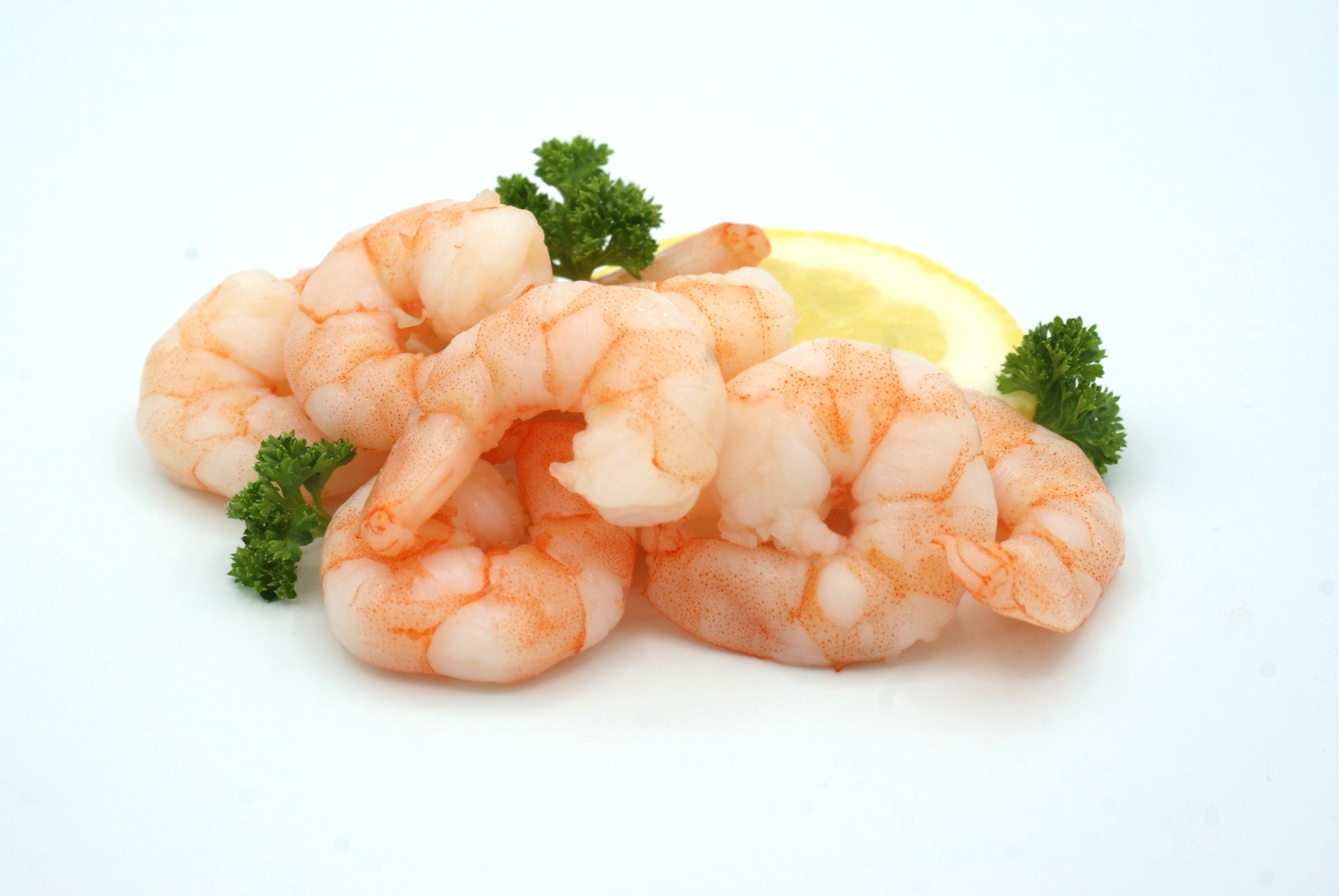
Vannamei white shrimp, scientifically classified as litopenaeus vannamei, is the most traded shrimp species worldwide.
It is valued for its neutral taste profile, firm texture, and strong processing yield.
This species is available in multiple formats including raw shell-on, peeled and deveined, cooked, tail-on, and EZ peel formats.
One of the most demanded product categories in Europe is frozen raw ez peel tail-on farm-raised white vannamei shrimp, preferred for its processing efficiency and presentation quality.
Accurate labeling of litopenaeus vannamei ensures regulatory compliance and traceability across the European Union.
3. Frozen Raw EZ Peel Tail-On Farm-Raised White Vannamei Shrimp
Frozen raw ez peel tail-on farm-raised white vannamei shrimp is particularly suited for processing factories and foodservice distributors.
The EZ peel cut allows efficient removal of shell while maintaining visual appeal.
Key specifications typically include size grading (count per kilogram), glazing percentage, net weight control, and stable freezing temperature standards.
Holding this format in European stock ensures immediate dispatch and reduced lead time risk.
4. Wild Caught Shrimp vs Farm Raised
The discussion of wild caught shrimp vs farm raised remains central in seafood purchasing decisions.
Farm raised shrimp, primarily vannamei white shrimp, offer price stability, scalability, and consistent quality.
Wild caught shrimp, often cold water shrimp species, provide distinctive taste and premium market positioning.
Both segments have strong market demand, and maintaining balanced stock availability allows buyers flexibility without excessive inventory exposure.
5. Cold Water Shrimp and Crangon
Cold water shrimp are harvested in northern marine environments.
They are typically smaller, sweeter in taste, and pink when cooked.
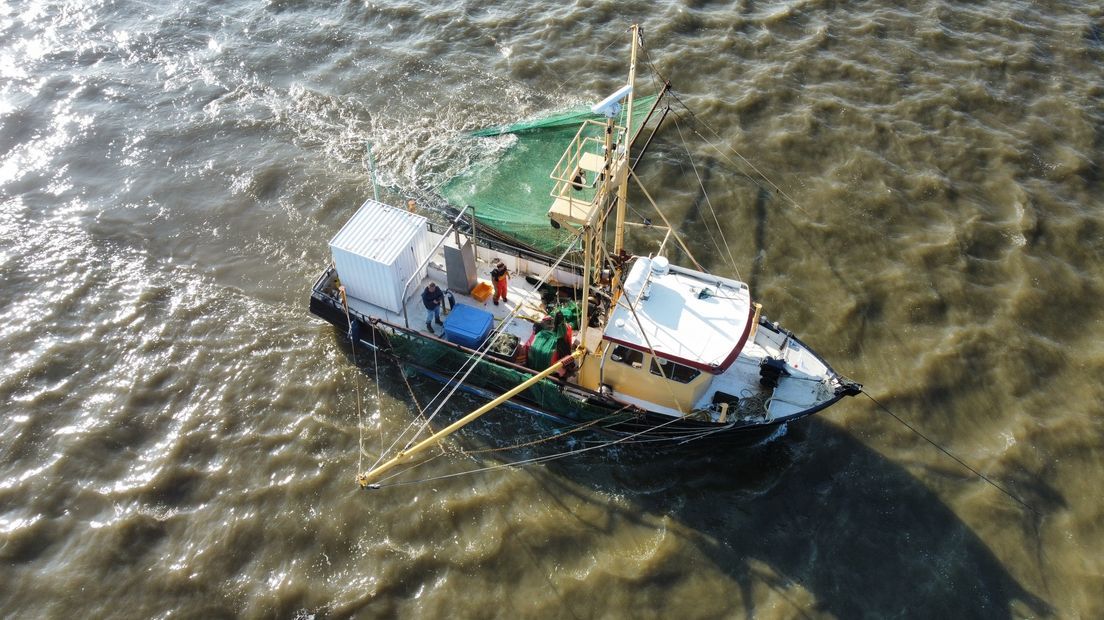
Crangon, commonly harvested in the North Sea, is a key cold water shrimp species in the European market.
It is widely distributed in Germany, the Netherlands, Belgium, and Scandinavia.
Wild caught cooked shrimp, another cold water segment, are cooked shortly after harvest to preserve freshness and then frozen for distribution.
6. Warm Water Shrimp Sorting
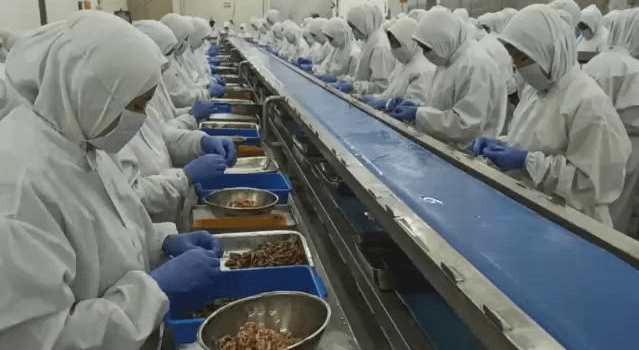
Warm water shrimp sorting ensures uniform size grading and accurate commercial labeling.
Automated sorting systems classify shrimp according to count per kilogram, enabling consistent packaging and processing yields.
Proper warm water shrimp sorting protects downstream margins and enhances supply reliability for European processors.
7. Cold Water Shrimp Sorting
Cold water shrimp sorting requires additional care due to smaller size ranges and delicate structure.
Precision grading ensures stable retail presentation and optimized peeling yield.
Consistent cold water shrimp sorting standards are essential for maintaining batch uniformity and meeting EU buyer expectations.
8. Crayfish Tails
Crayfish tails represent an important complementary seafood segment.
Commonly used in salads, ready meals, and foodservice applications, crayfish tails require stable freezing, high meat yield, and clear origin documentation.
Holding crayfish tails in European cold storage reduces freight exposure and allows flexible order volumes.
9. European Stockholding Strategy
Global seafood logistics are increasingly complex.
Freight volatility, port congestion, customs delays, and seasonal harvesting cycles introduce uncertainty.
By holding shrimp, cold water shrimp, Crangon, crayfish tails, and wild caught cooked shrimp in European cold stores, we provide immediate availability and predictable delivery schedules.
This allows B2B buyers to reduce warehouse size, optimize working capital, and operate leaner supply chains.
10. Supporting Lean B2B Operations
Our just-in-time delivery model supports wholesalers and processing factories by minimizing long-distance supply risks.
Instead of tying capital into large frozen inventories, buyers can access European stock as needed.
This supply model enhances responsiveness to market demand while maintaining specification transparency and quality control.
Conclusion
From shrimp farming origins to European cold storage distribution, the seafood supply chain demands precision and reliability.
Whether sourcing vannamei white shrimp, litopenaeus vannamei, frozen raw ez peel tail-on farm-raised white vannamei shrimp, Crangon, crayfish tails, cold water shrimp, or wild caught cooked shrimp, strategic European stockholding provides measurable operational advantages.
In a competitive market environment, proximity, consistency, and speed define long-term partnership success.